
How Often Should You Water a Cactus? A Seasonal Watering Guide
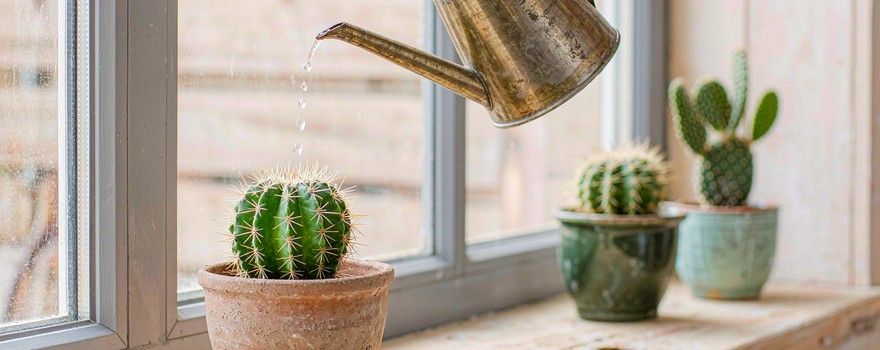
Ask any cactus grower how often they water, and you'll get a different answer every time. That's because cacti don't run on a calendar — they run on seasons, light, and soil. Get the rhythm right and even the fussiest collector varieties will thrive; get it wrong and rot shows up fast. Here's the seasonal watering framework we use at SuccNest for everything from beginner Mammillaria to rare Strombocactus disciformis.
The Golden Rule: Water Deeply, Then Wait for Dry
Cacti prefer a feast-and-famine cycle. When you water, water thoroughly — until it drains from the pot's bottom holes. Then let the soil dry out completely before you reach for the watering can again. Constantly damp soil suffocates the roots, and suffocated roots are how cacti rot.
To check, push a wooden chopstick or your finger two inches into the soil. If it comes out with any moisture clinging to it, wait a few more days.
Your Seasonal Watering Schedule
Spring (Active Growth Begins)
As days lengthen and new spines appear, resume watering gradually. Start with a light drink every 2–3 weeks, then increase to once every 10–14 days as growth kicks in. Don't flood a plant that has been dry all winter — ease it back in.
Summer (Peak Thirst)
This is when your cacti, including sun-lovers like Opuntia aciculata and fast-growing Trichocereus 'Papageno', drink the most. In hot, dry climates, water every 7–10 days. During heat waves, plants may need water more often — but always verify the soil is fully dry first.
Fall (Wind Down)
Stretch the interval back to every 2–3 weeks. Cooler nights and shorter days mean slower growth and slower drying soil. Tapering off now sets your plants up for a healthy dormancy.
Winter (Dormancy: Mostly Dry)
For most indoor growers, winter means little to no water from November through February. A cool (45–55°F), bright, dry rest period is exactly what triggers spectacular spring flowering in species like Lobivia hybrids and Echinopsis 'Altena'. A light misting once a month keeps severe shriveling at bay, but that's it.
Three Factors That Change the Rules
- Pot material: Terracotta breathes and dries fast; glazed ceramic and plastic hold moisture longer. Adjust your interval, not the plant.
- Soil mix: A gritty, fast-draining mix dries in days; dense peat-based soil can stay wet for weeks. See our guide to the best soil mix for cacti.
- Humidity: A cactus in humid Florida needs water far less often than one in arid Arizona.
Signs You're Overwatering (and Underwatering)
Overwatered: soft, translucent, or splitting stems; yellowing from the base up; a mushy smell at the soil line. Act fast — unpot, trim any rotted roots, let it callus, and repot into dry gritty mix.
Underwatered: wrinkled, pleated skin; a cactus that feels like a deflated balloon; stunted new growth. The fix is simple: a thorough soak, and a return to a regular summer schedule.
Ready to Grow Your Collection?
Healthy watering habits turn good plants into great collections. Browse our full range of cacti and succulents — every plant ships carefully packed across the United States, and shipping is free on orders over $59.