
Cactus Winter Care: How to Help Your Plants Survive Dormancy
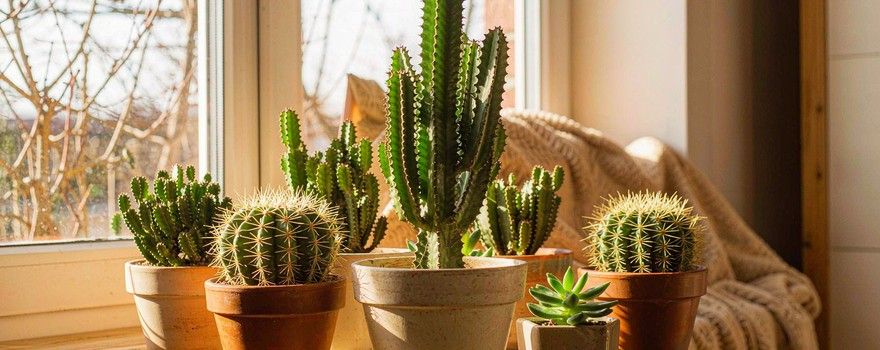
Winter is when most cacti are quietly killed — not by cold, but by kindness. Well-meaning growers keep watering and fertilizing on a summer schedule, and warm, wet, dark conditions turn a resting cactus into a rotting one. Here's how to give your collection the winter it actually wants.
Why Cacti Need a Dry Winter Rest
In their native habitats, most cacti experience a pronounced dry, cool season. Growth stops, the plant dehydrates slightly, and it waits. This rest isn't optional — it's the trigger for next year's flowers. Skip it, and you'll get pale, weak, etiolated growth and few or no blooms. Honor it, and spring flowering on species like Echinopsis 'Altena' and clustering Lobivia hybrids can be spectacular.
Rule 1: Cut the Water — Almost Completely
From late fall through winter (roughly November–February), water very sparingly or not at all:
- Cool room (45–55°F): no water at all. This is the ideal dormancy.
- Normal heated home (65–75°F): a light watering once every 4–6 weeks, just enough to prevent severe shriveling.
A slightly wrinkled cactus in January is normal and safe. A plump, wet cactus in a cold dark corner is a rot waiting to happen.
Rule 2: Keep It Bright
Short winter days don't demand grow lights, but placement matters. A south-facing windowsill is perfect. If your plants spent summer outdoors, acclimate them gradually to indoor light before bringing them in for good.
Rule 3: Cool Is Better Than Warm
If you can offer a spare room, unheated sunroom, or windowsill that stays between 45–55°F, your cacti will rest deeply and bloom heavily in spring. Just keep them completely dry in cold conditions — a cold and wet cactus is the one truly deadly combination. Most desert cacti tolerate light frost if kept dry, but tropical species and tender succulents should stay above 50°F.
Rule 4: No Fertilizer Until Spring
Feeding a dormant cactus does nothing useful and can burn resting roots. Put the fertilizer away and resume feeding only when you see genuine new growth — typically 2–3 weeks after your spring watering routine begins.
Waking Them Up in Spring
- Wait for lengthening days and consistent warmth (nights above ~55°F).
- Start with a light watering — don't drench a dehydrated plant all at once.
- Increase gradually to your regular summer schedule over 3–4 weeks.
- Resume feeding at half strength once new spines or growth appear.
One Exception: Winter Bloomers
A few plants break the rules. Some Parodia and certain Gymnocalycium cultivars flower in late winter and appreciate a slightly brighter, warmer spot. And variegated showplants like the variegated Gymnocalycium have less chlorophyll in reserve — give them the brightest windowsill you have and slightly gentler treatment overall.
Plan Next Spring's Additions Now
Winter is the perfect time to plan your collection while plants rest. Browse SuccNest's cacti and succulents — new rare arrivals land all season, and orders over $59 ship free anywhere in the US mainland.